

As an affiliate, we may earn a commission from qualifying purchases. We get commissions for purchases made through links on this website from Amazon and other third parties.
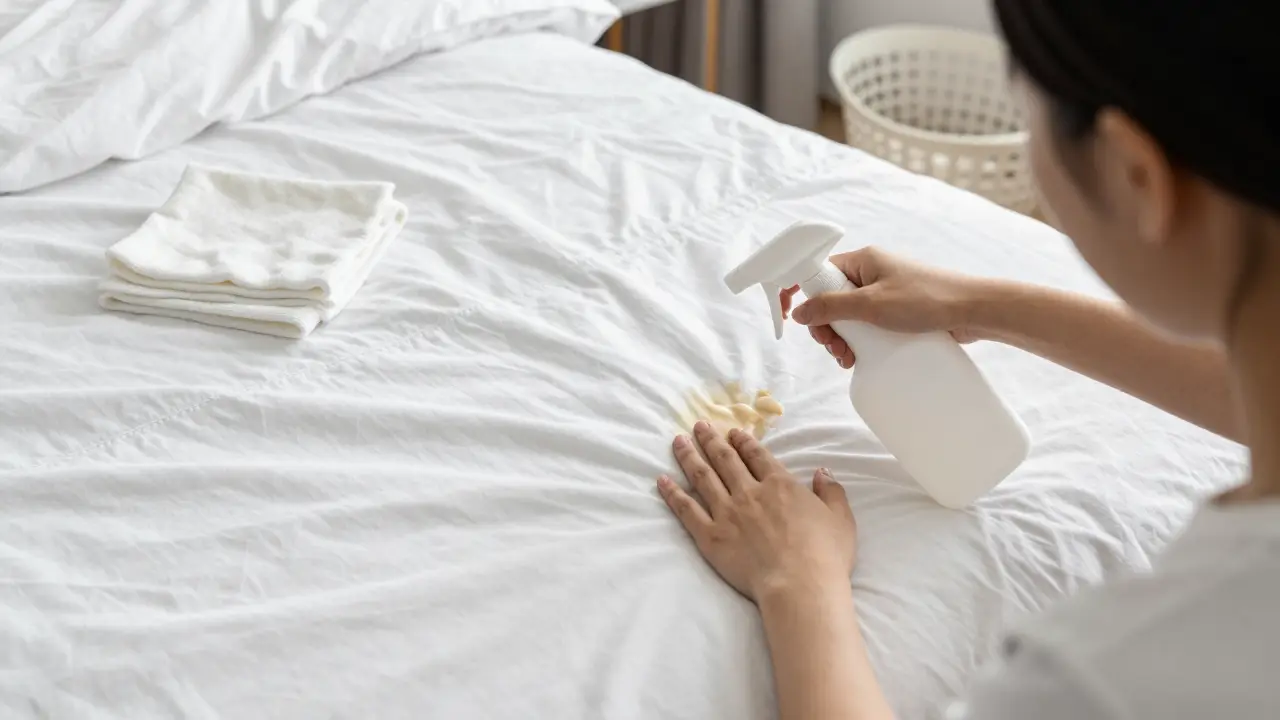
Enzyme cleaners are most useful when bedding has the kinds of organic stains that ordinary detergent can struggle with: food, sweat, blood, pet messes, and some greasy or protein-heavy marks. The right format matters as much as the formula. A small spot spray, a foam, a saturation liquid, and an in-wash booster solve different problems.
Before enzyme cleaning a mattress, confirm material compatibility and avoid leaving excess moisture in thick fabric or padding.
Start by deciding whether you are treating one stain or an entire washable load. A direct spray gives you concentrated contact on a pillowcase or duvet-cover spot. A larger liquid makes more sense for pet urine or odor. A drum-added booster is better when sweat or biological odor is spread across sheets rather than concentrated in one mark.
The useful test for enzyme-cleaner effectiveness is how well the materials, fit, construction, and upkeep match the household.
Whatever you choose, follow the bedding care label and the cleaner directions together. Treat the stain, allow the recommended contact time, wash when appropriate, and inspect before drying. Do not mix enzyme cleaners with bleach, ammonia, peroxide, vinegar, or another stain product unless the directions specifically allow it.
Assess laundry enzyme cleaners through material quality, construction, usable dimensions, maintenance, and household needs.
Best Overall
Best for Pet Stains and Odor
Best for Protein Stains
Enzyme and Stain Treatments at a Glance
| Pick | Format | Best fit | Timing | Main tradeoff |
|---|---|---|---|---|
| Shout Active Enzyme | 22 oz prewash spray | Everyday food, grass, dirt, makeup, wine, blood | Pretreat before washing | Some stubborn tomato and blood stains take more than one round |
| Biokleen Bac-Out | 32 oz stain-and-odor liquid | Pet urine, diapers, laundry, wine, odor | Saturate and leave 5 minutes or longer | Older messes may need repeat treatment |
| Zout Triple Enzyme | 22 oz foam | Protein, starch, and oily stains | Direct spot treatment | Product scent can linger after treatment |
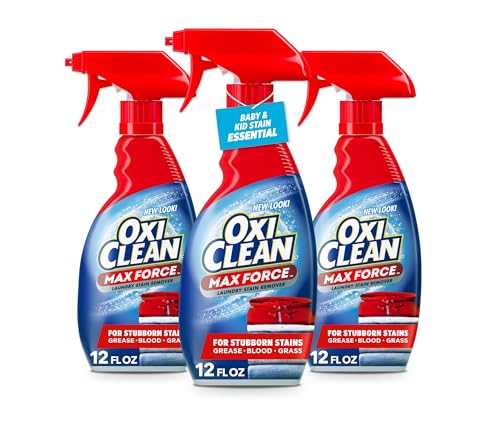
| OxiClean Max Force | Three 12 oz sprays | Dried and set-in machine-washable stains | 5 minutes to 7 days before washing | Old stains still vary |
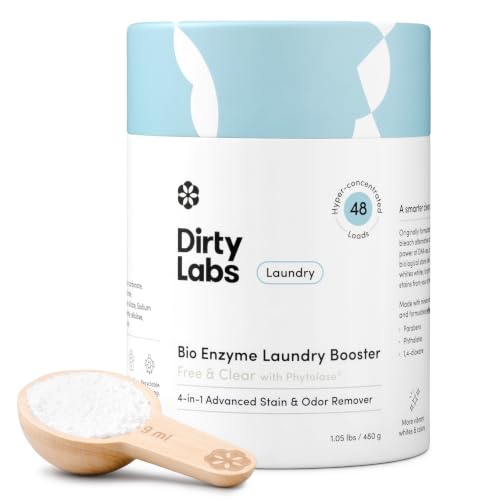
| Dirty Labs Bio Enzyme Booster | 1 lb, 48-load booster | Whole-load sweat, biological stains, and odor | Add to drum before laundry | Not a substitute for direct saturation of one deep spot |
| Puracy Stain Remover | 4 oz spray | Compact fresh-stain treatment | Spray, allow contact, launder | Small bottle and mixed performance on stains left to set |
Shout takes the top spot because it is easy to use on the broadest range of ordinary washable-bedding stains. Biokleen is better when odor is part of the problem, while Zout is the most targeted formula for protein, starch, and oily stains.
A sound decision about enzyme-cleaner fabric compatibility accounts for fit, construction, fabric or fill, care, and realistic daily use.
Our Six Picks
1 / 6
Shout Active Enzyme Laundry Stain Remover

Format
Prewash spray
Size
22 oz
Formula
Active enzyme
Fabric fit
Color-fast machine-washable fabrics
Shout is the best all-around choice for bedding because it fits a normal laundry routine and covers a wide range of common messes. The active-enzyme spray is intended for food, drinks, makeup, grass, dirt, wine, blood, and similar stains on color-fast machine-washable fabric.
The direct spray format is especially useful on sheets, pillowcases, and removable covers. Instead of treating the whole load, you can focus the cleaner on the mark, let it work, and then wash the item. That makes it a sensible first bottle for a household that deals with several different stain types rather than one recurring pet or sweat problem.
Most routine stains respond well, although tomato and blood can need repeated treatment when the mark is stubborn or old. Leakage from the bottle or trigger is the clearest ownership risk. Store it upright and away from clean folded bedding.
Why It Works
- Active-enzyme pretreatment covers many everyday organic and food-related stains.
- Direct application concentrates the cleaner where it is needed.
- The 22-ounce bottle is large enough for regular laundry use without being awkward to handle.
- It is designed for color-fast machine-washable fabric.
What To Keep In Mind
- Some tomato and blood stains may need a second treatment.
- Keep the bottle upright because leakage can occur.
- Follow the care label before using it on dark, delicate, or specialty bedding.
- Inspect the stain after washing and before dryer heat.
2 / 6
Biokleen Bac-Out Stain + Odor Remover

Format
Ready-to-use liquid
Size
32 oz
Targets
Pet urine, diapers, wine, laundry
Dwell
5 minutes or longer
Biokleen Bac-Out is the stronger choice when the stain also smells. The 32-ounce liquid is intended for pet urine, diapers, wine, laundry, carpet, and other organic messes. Its directions call for removing excess material, saturating the affected area, and leaving it for at least five minutes.
That larger liquid format is useful on washable pet blankets, crib linens, and other areas where a tiny mist of spray is not enough. It can address both the visible residue and the odor source, which is important with urine, vomit, and similar messes.
Older accidents may take more than one treatment, especially when residue has dried into the fibers. The cleaner can also leave a light citrus or lime-like scent. Keep the product out of reach of children, avoid eye contact, and wash or rinse removable bedding thoroughly after treatment.
Why It Works
- It addresses odor and staining in the same treatment.
- A 32-ounce bottle gives enough volume for more than isolated pin-size spots.
- The five-minute-or-longer dwell is simple to work into a cleanup routine.
- It is a strong fit for urine, diapers, food, wine, and similar organic messes.
What To Keep In Mind
- Old stains may need repeated saturation and washing.
- Citrus ingredients can leave a noticeable scent in scent-sensitive households.
- Keep it away from children and eyes.
- Do not combine it with another cleaner in an improvised mixture.
3 / 6
Zout Triple Enzyme Formula Laundry Stain Remover Foam

Format
Foam
Size
22 fl oz
Enzymes
Three-enzyme formula
Targets
Protein, starch, oily stains
Zout is the most clearly divided by stain chemistry. Its triple-enzyme formula assigns one enzyme to protein stains such as blood, grass, and sweat, another to starch stains such as tomato and barbecue sauce, and a third to oily stains such as salad dressing and margarine.
That makes the foam especially easy to understand for bedding. Sweat on pillowcases and sheets falls into a different problem type from a greasy food spill, but Zout is built to address both. The foam format also stays concentrated on a spot instead of immediately running across a large area.
The safest way to use it is as a targeted laundry pretreatment. Apply it only to washable fabric that can handle the treatment, allow the directed contact time, and launder normally. A strong odor can remain after treatment, so scent-sensitive households may prefer a different option.
Why It Works
- Three enzymes are assigned to protein, starch, and oily stain groups.
- Blood, grass, sweat, tomato sauce, food, and grease all fit its stated use.
- Foam stays where you apply it better than a thin liquid.
- A 22-ounce bottle suits repeated household spot treatment.
What To Keep In Mind
- A noticeable product smell may linger after treatment.
- Do not use the formula as a reason to ignore the bedding care label.
- Treat stains before dryer heat whenever possible.
- Repeat a controlled treatment rather than combining Zout with another chemistry.
4 / 6
OxiClean Max Force Laundry Stain Remover Spray
Format
Spray
Pack
Three 12 oz bottles
Wait time
5 minutes to 7 days
Fabric fit
Machine-washable fabrics
OxiClean Max Force is the best fit when the stain has already dried or you need to pretreat long before wash day. The spray uses five stain fighters and targets berries, baby food, juice, grass, mud, oil, grease, coffee, wine, chocolate, ketchup, blood, ink, and washable paint.
Its standout feature is the treatment window. You can saturate the stain, wait at least five minutes, or leave the pretreatment on for up to seven days before washing. That is useful when you notice a mark during the week but do not plan to run bedding until the weekend.
Some old and dryer-set stains respond very well, while others remain partly visible. That is normal for a set-in-stain product: the longer a mark has been through heat and washing, the less predictable complete removal becomes. Wash in the warmest water the fabric label permits, then inspect before drying.
Why It Works
- The five-minute-to-seven-day window gives you the most scheduling flexibility here.
- It covers both oily and water-based machine-washable stains.
- The three-pack is practical for frequent family laundry.
- It is specifically aimed at dried and set-in stains.
What To Keep In Mind
- Old marks are still less predictable than fresh stains.
- More product is not automatically better than the directed saturation level.
- Keep treatment within the bedding's care limits.
- Inspect before using dryer heat.
5 / 6
Dirty Labs Bio Enzyme Laundry Booster
Format
Powder booster
Size
1 lb
Loads
48
Use
Add to washer drum before laundry
Scent
Scent free
Dirty Labs solves a different problem from the spot sprays. This one-pound bio-enzyme booster is designed for 48 loads in high-efficiency or standard washers and goes into the drum before you add the laundry. It is meant to supplement normal detergent rather than replace it.
That makes it useful when the issue is spread across the load: sweaty sheets, general biological odor, or washable bedding that needs more stain support than detergent alone. A booster reaches the whole item during the wash, while a spot spray concentrates treatment in one place.
It is not the first tool I would choose for one deep pet-urine spot or a single set-in blood stain. Direct pretreatment gives those marks more contact before dilution in the washer. Think of Dirty Labs as the whole-load option, especially for scent-sensitive households that want a scent-free format.
Why It Works
- The 48-load format suits regular sheet and towel laundry.
- Bio-enzyme action is intended for biological stains and odors.
- It works in both HE and standard machines.
- Scent-free positioning makes it easier to pair with an existing detergent routine.
What To Keep In Mind
- Use normal laundry detergent along with the booster.
- Add it to the drum as directed before the bedding.
- A whole-load booster is less targeted than a direct spray on one deep stain.
- Follow both washer and bedding-care instructions.
6 / 6
Puracy Stain Remover Spray

Format
Spray
Size
4 oz
Use
Fresh and set-in fabric stains
Role
Travel and quick spot treatment
Puracy is the small carry-anywhere option. The four-ounce spray is designed for a range of fabric stains and odors and is easy to keep near a laundry basket, in a travel kit, or in a small apartment where a full-size bottle is inconvenient.
Fresh stains are the stronger use case. A short contact period before laundering can work well, while marks that have sat for a long time can be much harder. Grease results are mixed, which is another reason not to assume one compact spray will replace every specialty treatment.
Bottle cracks and leaks have also occurred. Keep it upright and contained when traveling. The sensible reason to choose Puracy is its compact spot-treatment format rather than chasing ingredient differences that do not change the basic laundry workflow.
Why It Works
- Four ounces is easy to store or travel with.
- The spray is convenient for immediate treatment before a stain dries.
- It covers a general range of fabric stains and odors.
- Short contact before laundering fits quick cleanup.
What To Keep In Mind
- Older stains are less predictable than fresh spills.
- Grease may need more than one attempt.
- Cracked or leaking bottles have occurred.
- Choose it for portability and quick spot use rather than for a specialized stain type.
How to Use Enzyme Cleaners on Bedding
Match the format to the size of the problem
One small stain does not need a whole-load treatment. Use a spray or foam when the mark is localized. Shout, Zout, OxiClean, and Puracy all let you focus treatment where the stain is.
A larger liquid such as Biokleen makes more sense when you need to saturate an organic mess or address odor. Dirty Labs is the opposite approach: it is diluted across the full wash and is better for general biological residue throughout the bedding.
Using the wrong scale wastes product and can add unnecessary moisture. This is especially important around mattresses, padded pet beds, and filled comforters that are harder to rinse and dry.
Treat protein stains carefully
Blood, sweat, and some food stains contain proteins. Zout specifically assigns one of its enzymes to protein stains, while Shout also covers blood in its everyday stain range.
Do not automatically reach for the hottest water. Follow the treatment directions and textile care label. Excessive heat can make some protein stains harder to remove.
Blot fresh liquid first, then apply the cleaner. Avoid grinding the stain deeper into the weave.
Give the product enough contact time
Enzyme-based cleaning is not always instant. The cleaner needs time against the residue before washing.
Shout works as a standard prewash. Biokleen calls for at least five minutes. OxiClean can remain on a machine-washable stain for up to seven days. Puracy often benefits from sitting before laundering.
Follow the product's window rather than inventing a longer soak. More time can be useful, but only when the formula and fabric allow it.
Keep the treated spot from becoming a chemistry experiment
Do not stack multiple stain removers on the same wet area. Enzyme products, oxygen cleaners, bleach, ammonia, acids, and household remedies are not interchangeable.
If one treatment fails, rinse or wash it out before changing methods. This protects both the bedding and the person doing the cleaning.
The same rule applies to washer additives. Use Dirty Labs with normal detergent as directed, but do not start adding unrelated cleaners to the drum because a stain looks stubborn.
Wash, inspect, then dry
After pretreatment, wash the item according to the cleaner and bedding labels. Use the allowed temperature, cycle, and detergent.
When the cycle ends, inspect the stained area before putting the bedding in the dryer. If a shadow remains, another controlled treatment is usually easier before heat exposure.
Air drying during a second-treatment cycle can also help you avoid setting a stain while you decide whether more work is needed.
Handle pet stains differently from general laundry odor
A urine spot needs concentrated treatment and complete removal of residue. A booster spread through the whole wash is not the same as saturating the affected area.
Blot first, treat the stain, and let the product work. For removable pet bedding, follow with the appropriate wash. For foam-filled beds, avoid soaking deeper than you can extract and dry.
Odor that returns after drying often means residue remains deeper in the material. Adding fragrance on top will not solve that.
Protect delicate and specialty bedding
Silk, wool, waterproof membranes, decorative quilts, and dry-clean-only textiles need more caution than ordinary cotton sheets. A product marketed for general fabric does not override a restrictive care label.
Patch-test colored or expensive fabric. Use a hidden seam or inside edge and allow the area to dry before deciding that the cleaner is safe.
If the item cannot be rinsed or laundered afterward, professional cleaning may be the better choice.
Frequently Asked Questions
What is the best enzyme cleaner for bedding overall?
Shout Active Enzyme is the strongest general choice because it covers a broad range of everyday stains on color-fast machine-washable fabric and fits a simple prewash routine.
Which enzyme cleaner is best for pet urine on bedding?
Biokleen Bac-Out is the strongest pet-focused option here because it is designed for stain and odor treatment and can be saturated onto urine and other organic messes before washing.
What is best for blood and sweat stains?
Zout Triple Enzyme Foam is the most targeted pick because one of its three enzymes is specifically directed at protein stains such as blood, grass, and sweat.
Can I leave an enzyme cleaner on bedding overnight?
Only when the product directions allow that dwell time. OxiClean Max Force permits treatment for up to seven days before washing, while other formulas use shorter windows.
Is an in-wash enzyme booster enough for one deep stain?
Usually not. A booster such as Dirty Labs treats the whole load, while one deep or set-in spot usually benefits from direct pretreatment before the wash.
Can enzyme cleaners be used on colored sheets?
They can be when both the cleaner and textile directions allow it. Patch-test uncertain colors and finishes first, especially on dark or expensive bedding.
Can I mix an enzyme cleaner with bleach?
Do not mix cleaners unless the product directions explicitly allow the combination. Use one treatment method at a time and rinse or wash it out before switching products.
For pet-specific urine and odor problems, compare the best enzyme cleaners for pet stains on bedding. For a broader range of sprays, see the best bedding stain removers. If the mark has reached the sleep surface below, use the best mattress stain removers and keep moisture to a minimum.
