

As an affiliate, we may earn a commission from qualifying purchases. We get commissions for purchases made through links on this website from Amazon and other third parties.
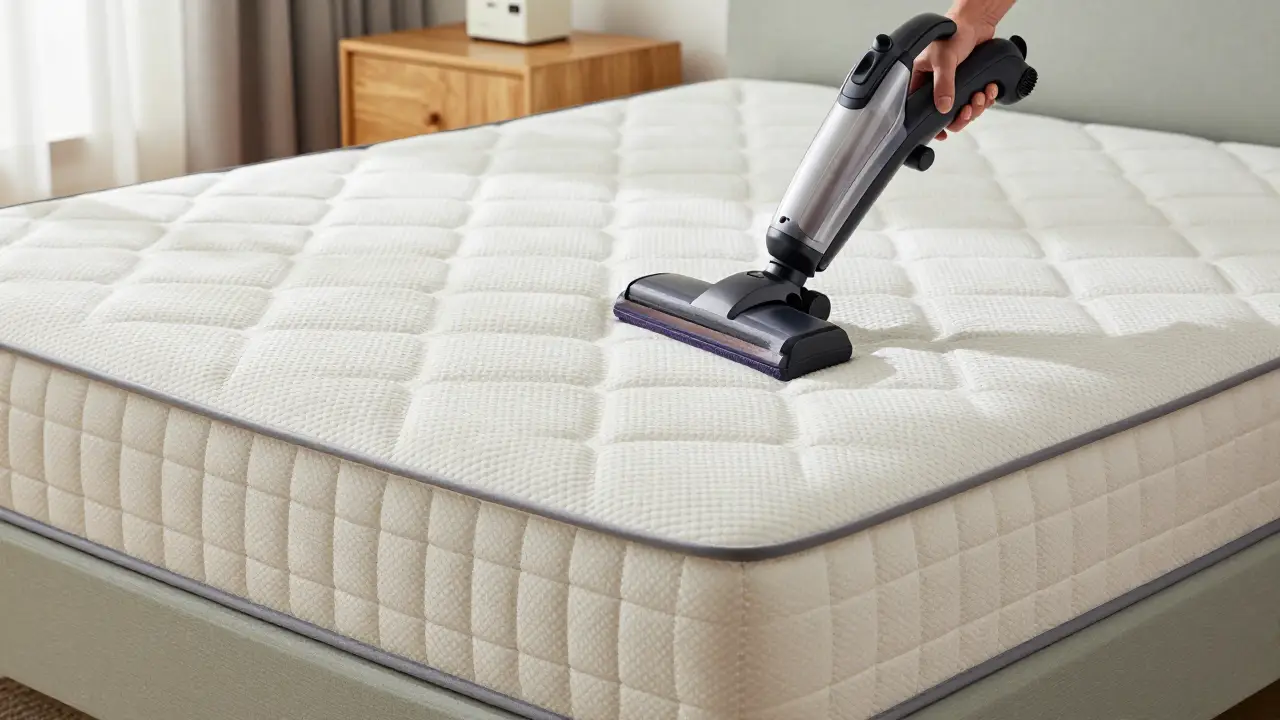
A mattress vacuum is most useful when it makes slow, thorough passes easier. Suction matters, but so do agitation, head width, weight, bin capacity, filter upkeep, and whether a cord or battery fits the way you clean.
To judge mattress-vacuum buying criteria, consider materials, construction, fit, maintenance, and intended use together.
Five of these models are corded, which is useful for a full mattress or several upholstered surfaces in one session. Teant is the cordless outlier. It gives you more freedom around the bed frame, but runtime and pickup vary more than they do with a simple corded setup.
The practical comparison for mattress-vacuum cleaner features includes build quality, dimensions, everyday care, and expected use.
UV-C lights, heat, ultrasonic modes, aroma features, and dust displays can be useful extras, but they are secondary here. A mattress vacuum still needs to pick up loose dust, lint, hair, and debris efficiently. None of these features should be treated as proof that a mattress is sanitized, allergen-free, or pest-free.
The main benefits of mattress vacuuming are removing loose debris and hair from the surface between deeper cleanings.
Best Overall
Best Agitation
Best Sensor and Filtration
Mattress Vacuums at a Glance
| Pick | Power | Suction | Cleaning advantage | Main tradeoff |
|---|---|---|---|---|
| FEPPO Corded | 500 W | 16 kPa | 7 in inlet, 30,000 RPM tapping, 3.8 lb | Pet-hair and long-term performance comments vary |
| AIRTHEREAL M1 | 400 W | 14 kPa | Dual rollers up to 80,000 RPM, smart sensor | Small 0.25 L bin |
| JIGOO T600 | 700 W | 15 kPa | MIF filtration, smart modes, 140°F heat | Dust cup can come loose |
| Jimmy BX7 Pro Max | 550 W | 16 kPa | Wide 245 mm inlet, sensor, tapping | Heavier feel |
| JIGOO J300 | 500 W | 13 kPa | 13,000 RPM brush, dust-status display | Less suction on paper and can feel heavy |
| Teant Upgrade | Cordless | 18 kPa claimed | 33,000 RPM roller, dual 0.5 L cups | Runtime and pickup are inconsistent |
Suction numbers do not tell the whole story. A wide head reduces the number of passes, while tapping or brush action helps loosen material before suction moves it into the cup. Weight matters too because a heavy handheld encourages fast, shallow cleaning when a mattress benefits from slower overlapping strokes.
Assess UV-equipped mattress vacuums through material quality, construction, usable dimensions, maintenance, and household needs.
Our Six Picks
1 / 6
FEPPO Corded Mattress Vacuum

Power
500 W corded
Suction
16 kPa
Weight
3.8 lb
Inlet
7 in
Cord
16.4 ft
FEPPO earns the top spot by combining strong stated suction with easy handling. Its 500-watt motor produces 16 kPa suction, while a 30,000-RPM tapping system works ahead of a seven-inch intake. At 3.8 pounds, it is lighter than several competing corded models, and the 16.4-foot cable gives enough reach for most bedrooms.
The seven-inch inlet is especially useful on a mattress because it covers more fabric with every pass. A wide head does not replace overlap, but it reduces how many rows you need to make across a queen or king. HEPA filtration and dual dust cups add a straightforward collection system.
Real-world pickup is mixed, ranging from debris a regular vacuum missed to weak suction, missing heat or vibration, and poor pet-hair pickup. That inconsistency keeps it from being a no-compromise choice, but the combination of 16 kPa suction, low weight, broad inlet, and uninterrupted corded runtime is the strongest overall balance here.
Why It Works
- A 3.8-pound body is easy to guide across a full mattress.
- The seven-inch inlet reduces pass count.
- 16 kPa suction and 30,000-RPM tapping give it a strong physical-cleaning setup.
- A 16.4-foot cord supports long sessions without charging.
What To Keep In Mind
- Pet-hair pickup ranges from impressive to disappointing.
- Some units have had power, heat, or vibration problems.
- Keep the filter and cups clean so airflow does not fall off.
- Treat UV-C, heat, and ultrasonic modes as extras rather than sanitation guarantees.
2 / 6
AIRTHEREAL M1 Mattress Vacuum

Power
400 W corded
Suction
14 kPa
Weight
4.85 lb
Agitation
Dual rollers up to 80,000 RPM
Bin
0.25 L
AIRTHEREAL is the agitation specialist. Two brushrolls rotate at up to 80,000 RPM while a 400-watt motor provides 14 kPa suction. The machine weighs 4.85 pounds and uses a 16.4-foot cord, so it remains manageable for slow passes without giving up continuous power.
A smart dust sensor adds useful feedback. The display changes as more or less debris is detected, and suction can rise when the machine senses a dirtier section. That gives you a reason to slow down over one zone instead of making the same number of passes everywhere.
The small 0.25-liter bin is the main drawback. It fills sooner than the larger cups on Teant and other models, especially when a mattress has pet hair or a lot of loose debris. In return, AIRTHEREAL gives you the most aggressive brushroll setup in this group and can collect fine debris and cat hair effectively.
Why It Works
- Dual rollers give the mattress repeated agitation before suction.
- The dust sensor helps identify areas that deserve another pass.
- The 4.85-pound body is easier to handle than heavier premium models.
- Corded power avoids battery planning.
What To Keep In Mind
- The 0.25-liter cup needs more frequent emptying.
- Hot sleepers or allergy sufferers should not treat UV-C or heat as a health guarantee.
- Clear wrapped hair from the rollers before it reduces movement.
- Empty the bin before debris packs against the filter.
3 / 6
JIGOO T600 Bed Vacuum

Power
700 W corded
Suction
15 kPa
Filter
MIF
Modes
Smart auto and strong tapping
Heat
140°F
The JIGOO T600 has the highest motor wattage in this group at 700 watts. It pairs that motor with 15 kPa suction, tapping action, a smart cleanliness display, dual cups, 140°F warm air, UV-C, ultrasonic output, and MIF filtration.
Its smart modes are the strongest reason to choose it. You can use automatic operation for general cleaning or stronger tapping when a section needs more agitation. The display provides a cleanliness index while you work, which can help reduce unnecessary repeat passes over already-clean areas.
Filter maintenance deserves attention. JIGOO recommends replacement every four to six months depending on use and cleaning frequency. The dust cup can also come loose on some units, which is more than a minor annoyance because spilled debris means repeating the job. Check that the cup is fully seated before every session.
Why It Works
- 700-watt corded power supports continuous mattress cleaning.
- MIF filtration and dual cyclone separation give it a distinct filtration setup.
- Smart and strong-tapping modes let you change the cleaning approach.
- The display helps guide where to spend more time.
What To Keep In Mind
- Make sure the dust cup is locked in place before use.
- Plan for filter replacement every four to six months depending on use.
- A larger motor number does not automatically mean stronger pickup than every rival.
- Secondary UV-C and heat features do not replace physical debris removal.
4 / 6
Jimmy BX7 Pro Max Mattress Vacuum

Power
550 W corded
Suction
16 kPa
Inlet
245 mm
Cord
16.4 ft
Heat
149°F
The Jimmy BX7 Pro Max emphasizes wide coverage. Its 245-millimeter intake spans more mattress surface than a narrow handheld head, while a 550-watt motor provides 16 kPa suction. Tapping action, HEPA filtration, a dust sensor, UV light, 149°F graphene heating, and a 16.4-foot cord round out the design.
That wide mouth makes the most sense on large mattresses. You still need overlap, but fewer side-to-side lanes can make a king mattress less tedious. The long cord also lets you keep working without a battery break.
The tradeoff is weight and expectation. It can feel heavier than a small hand vacuum, which can be limiting for wrists and elbows. Debris pickup can also be less dramatic than promotional images imply, especially on a mattress that has already been protected and vacuumed regularly. Choose it for wide coverage and sustained corded use, not because you expect every mattress to produce a full bin.
Why It Works
- A 245-millimeter intake covers a broad section on each pass.
- 16 kPa suction and tapping combine physical loosening with pickup.
- A 16.4-foot cord suits long cleaning sessions.
- The sensor gives visual feedback while you work.
What To Keep In Mind
- The body can feel heavy during slow full-mattress passes.
- A well-protected mattress may produce less debris than advertising images suggest.
- Wide coverage is most useful if the head stays flat against the surface.
- Give your wrist breaks instead of rushing the last half of the bed.
5 / 6
JIGOO J300 Mattress Vacuum

Power
500 W corded
Suction
13 kPa
Brush
13,000 RPM
Cord
16 ft
Heat
130°F
The JIGOO J300 is a simpler sensor-equipped alternative. A 500-watt motor produces 13 kPa suction, while the main brush rotates at 13,000 RPM. It also includes dual cups, a dust sensor, a 16-foot cable, 130°F contact heat, UV, and ultrasonic modes.
The cleaning-status display is the most practical extra. It calculates a dust level and changes the status light as the area clears. That makes it easy to use a repeatable pattern: move slowly, overlap each row, watch the status, then move on.
The J300 has the lowest stated suction among the corded models here and can feel heavier than expected. Pet-hair pickup can still be useful, including in homes with dogs. It is best for someone who values straightforward sensor feedback and a corded brush system more than having the highest suction figure.
Why It Works
- A dust-status display gives a simple visual stopping cue.
- The 13,000-RPM brush adds agitation before suction.
- A 16-foot cord supports uninterrupted cleaning.
- Pet-hair pickup is useful for some households.
What To Keep In Mind
- 13 kPa is the lowest stated suction among these corded picks.
- The body can feel heavier than expected.
- Heat only works while the head is in contact with the mattress.
- A green status light is not proof that the mattress is sanitized.
6 / 6
Teant Upgrade Cordless Mattress Vacuum

Power
Battery
Suction
18 kPa claimed
Roller
33,000 RPM
Cups
Dual 0.5 L
Runtime
Up to 60 min low mode
Teant is the only cordless model in this group. It claims 18 kPa suction, uses a 33,000-RPM roller, and provides dual 0.5-liter cups with HEPA filtration. The battery is rated for up to 60 minutes on low mode, while the display tracks several active functions.
Cordless freedom is useful around a bed frame, stairs, sofas, and pet beds. You can move from one surface to another without finding a new outlet or pulling a cable around furniture. The larger cups also reduce how often you need to stop and empty the machine.
Pickup is the reason it ranks last. Runtime can be closer to 45 minutes, while debris collection ranges from strong to very little material even after careful overlapping passes. The body can also feel bulky. Teant is worth considering when cord-free movement matters most, but a corded model is the safer choice if steady performance is the priority.
Why It Works
- Cordless operation removes outlet and cable restrictions.
- A 33,000-RPM roller provides mechanical agitation.
- Dual 0.5-liter cups offer more collection room than small handheld bins.
- Up to 60 minutes on low mode gives a useful maximum runtime.
What To Keep In Mind
- Real runtime can be closer to 45 minutes.
- Pickup ranges from strong to disappointing.
- The body may feel awkward during long passes.
- Charge fully before cleaning several beds.
How to Choose a Mattress Vacuum
Start with suction and agitation
Suction collects loose material, but a mattress cover can hold lint and fine debris against the fabric. Tapping and brushroll action help loosen that material before it reaches the intake.
FEPPO combines 16 kPa suction with 30,000-RPM tapping. AIRTHEREAL uses lower 14 kPa suction but much faster dual rollers. Jimmy also provides 16 kPa with tapping. Those different systems are why suction alone is a poor ranking method.
Keep the head flat and move slowly. A strong motor cannot compensate for a vacuum that barely contacts the surface.
Decide whether a cord is a problem
Corded vacuums give you continuous runtime. That matters when you clean a king mattress, both sides of a topper, several beds, and a sofa in one session.
Most corded models here provide about 16 feet of cable. Check where the outlets are in your bedroom. If one outlet lets you reach both sides of the bed, a cord may be less annoying than expected.
Teant is easier to carry from room to room, but battery limits and variable pickup are the tradeoff. Cordless makes the most sense when convenience will make you clean more often.
Think about pass width and weight together
A wider intake covers more mattress with each row. FEPPO uses a seven-inch inlet, while Jimmy stretches to 245 millimeters.
Wide heads are useful only if you can guide them comfortably. A heavy vacuum can make you rush across the center of a large bed, leaving shallow passes where you need slow contact.
If wrist or elbow fatigue is a concern, favor a lighter model. FEPPO at 3.8 pounds and AIRTHEREAL at 4.85 pounds are easier to manage than a heavier premium handheld.
Use sensors as feedback, not proof
Several models change color or show a cleanliness score as debris levels change. This can be genuinely useful for deciding where to repeat a pass.
Treat the display as a relative guide. A green light means the sensor is detecting less material under its own system; it does not certify that a mattress is sterile, allergen-free, or pest-free.
The best use is simple: clean in overlapping rows, slow down where the sensor indicates more debris, then move on when readings settle.
Keep bins, rollers, and filters clean
A packed cup or clogged filter reduces airflow. Empty the bin before debris presses against the filter, especially after cleaning pet hair.
AIRTHEREAL's 0.25-liter cup needs the most frequent attention. Teant's dual 0.5-liter cups provide more room. JIGOO T600 has a stated filter replacement interval of roughly four to six months depending on use.
Hair wrapped around a roller also reduces agitation. Switch the machine off before removing tangles, and inspect the brush after cleaning a pet-heavy surface.
Treat UV-C, heat, and ultrasonic modes as secondary
Nearly every premium mattress vacuum adds some combination of UV-C, heated air, or ultrasonic output. These features should not outrank suction, agitation, handling, and maintenance.
Warm air may help the surface feel dry during cleaning, but it is not a stain-removal method. UV-C coverage depends on how the light contacts the surface and how the machine is moved. Ultrasonic output does not replace physical pickup.
Choose a vacuum you would still want if those extras were removed from the box.
Keep debris expectations realistic
A new or well-protected mattress may not fill the dust cup. A mattress that has been vacuumed regularly may produce less visible material than an old sofa or pet bed.
That does not mean the machine failed. The useful question is whether it collects the loose dust, lint, hair, and debris that are actually present.
If the cup suddenly stops collecting material, check the filter, intake, roller, and seals before assuming the mattress is clean.
Frequently Asked Questions
What is the best mattress vacuum overall?
The FEPPO corded mattress vacuum is the best overall balance here because it combines 16 kPa suction, 30,000-RPM tapping, a seven-inch intake, a 3.8-pound body, and a 16.4-foot cord.
Which mattress vacuum has the strongest agitation?
AIRTHEREAL M1 stands out for agitation with dual brushrolls rotating at up to 80,000 RPM. Its 0.25-liter bin is smaller than several competitors.
Is a cordless mattress vacuum worth it?
A cordless model is useful when outlet access and cable management are the main frustrations. Teant offers cord-free reach, but its battery life and pickup are more variable than the corded picks here.
Do I need UV-C in a mattress vacuum?
No. UV-C is a secondary feature. Suction, agitation, pass width, weight, filter maintenance, and your cleaning technique matter more for routine debris removal.
How slowly should I vacuum a mattress?
Use slow overlapping rows rather than quick sweeping motions. Keep the head flat so the brush or tapping system and suction stay in contact with the fabric.
How often should I clean the filter?
Follow the specific machine directions and clean reusable filter parts when airflow drops or debris builds up. JIGOO T600 recommends filter replacement about every four to six months depending on use and cleaning frequency.
Can a mattress vacuum remove pet hair?
Several models can collect pet hair, but performance varies by fabric and roller design. AIRTHEREAL and JIGOO J300 have useful pet-hair support, while FEPPO's pet-hair results are more mixed.
Compare the broader best bed vacuums if you also clean sofas and pet beds, see the best mattress vacuums for pet hair if shedding is your main concern, or follow the steps for how to vacuum a mattress at home.
